2026-08-29 · Ray Callahan
What Causes Sewer Line Backups in Older Phoenix Homes
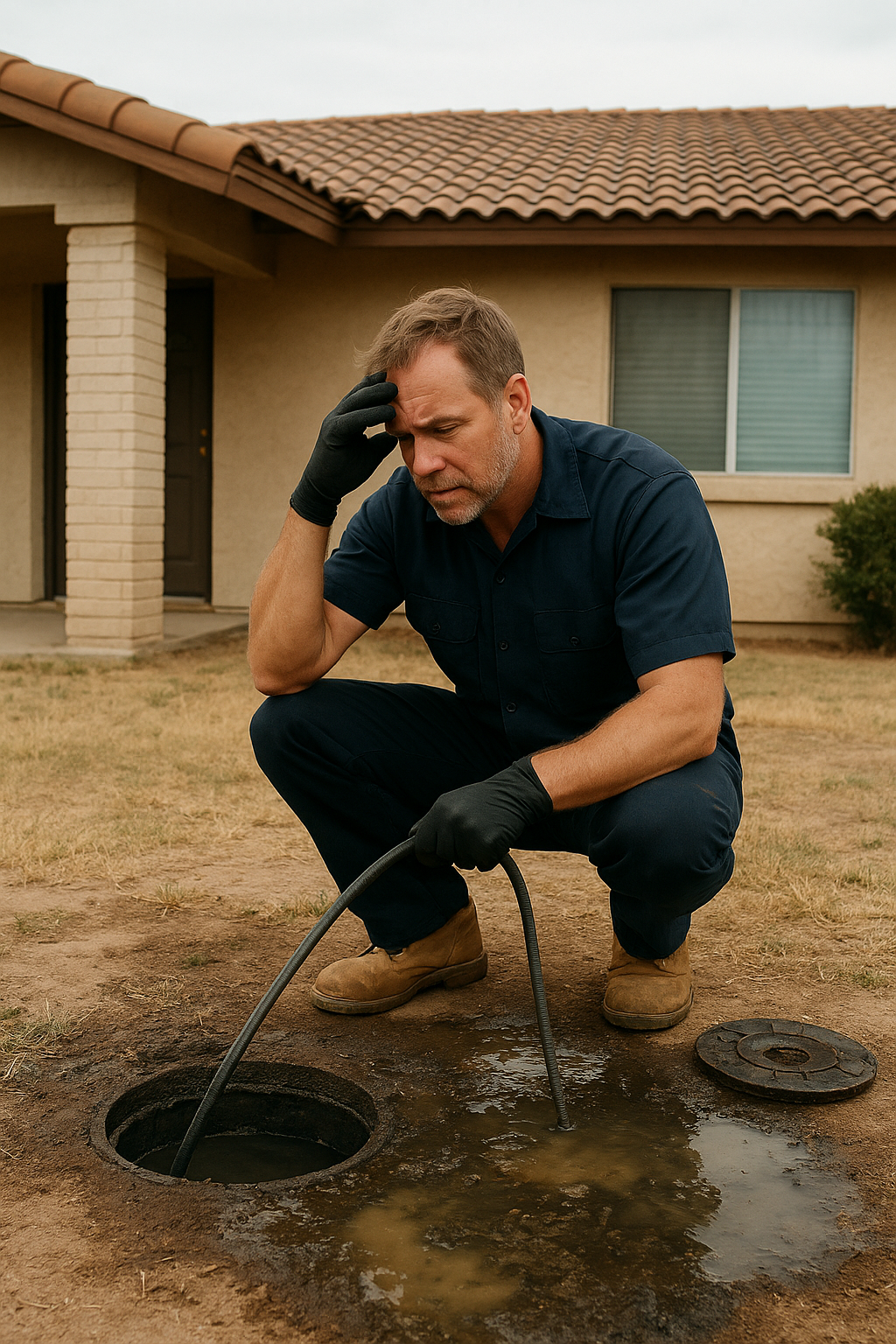
In older Phoenix homes, sewer line backups most often stem from tree root intrusion into clay or cast iron pipes installed 40–60 years ago, followed closely by material corrosion worsened by extreme summer heat. These factors combine in neighborhoods such as Arcadia, Biltmore, and Camelback East where mature landscaping and original infrastructure still exist.
Tree Root Intrusion in Phoenix Neighborhoods
Phoenix's desert landscaping often includes deep-rooted trees planted decades ago near homes in Arcadia and South Mountain. Roots seek moisture from sewer lines and penetrate joints in clay pipes common to pre-1980 construction. Once inside, roots expand and trap solids, creating complete blockages within 8–12 years of initial entry. Homeowners notice slow drains first in lower-level fixtures before full backups occur. Regular camera inspections reveal these intrusions early, preventing emergency calls during monsoon season when saturated soil pushes roots harder against pipes.
Aging Pipe Materials and Corrosion
Many homes built before 1970 in Maryvale and Ahwatukee still rely on cast iron or clay sewer lines rated for 50–70 years of service. Extreme summer heat reaching 110°F or more expands and contracts these materials daily, creating cracks that allow soil and roots entry. Cast iron develops interior rust scales that narrow the diameter over time, reducing flow capacity by 30–50%. Clay pipes crack at bell joints from minor ground movement common in Maricopa County soil. These material failures account for most recurring backups in homes over 50 years old.
Grease and Debris Accumulation
Phoenix households contribute to backups when fats, oils, and grease cool and solidify inside cooler underground lines. Combined with wipes and hygiene products that do not break down, these buildups form hard masses 2–4 inches thick inside 4-inch pipes. Older homes lack modern cleanouts, making removal difficult without professional drain cleaning. Summer heat keeps kitchen grease liquid longer before it reaches the line and solidifies, worsening the problem in homes without garbage disposals.
Ground Movement and Desert Soil Conditions
Maricopa County's clay-heavy soils expand when rare heavy rains occur and contract during prolonged dry spells, shifting sewer lines by 1–2 inches annually. This movement separates joints in older systems found throughout Camelback East and South Mountain. Extreme temperature swings accelerate the process, creating offset joints that catch debris. Homes near Papago Park or the Phoenix Zoo often sit on variable fill soil that adds stress to buried lines.
Practical Steps for Older Phoenix Homes
Schedule a sewer camera inspection every 3–5 years for homes built before 1980. Address slow drains immediately rather than waiting for full backups. When roots or pipe damage appear, options include sewer line repair or trenchless sewer repair that minimizes yard disruption. Review signs you need a whole-house repipe in Phoenix if multiple lines show age-related failure. These steps help maintain reliable drainage without unnecessary excavation in established Phoenix neighborhoods.