2026-08-29 · Ray Callahan
Signs You Need a Whole-House Repipe in Phoenix
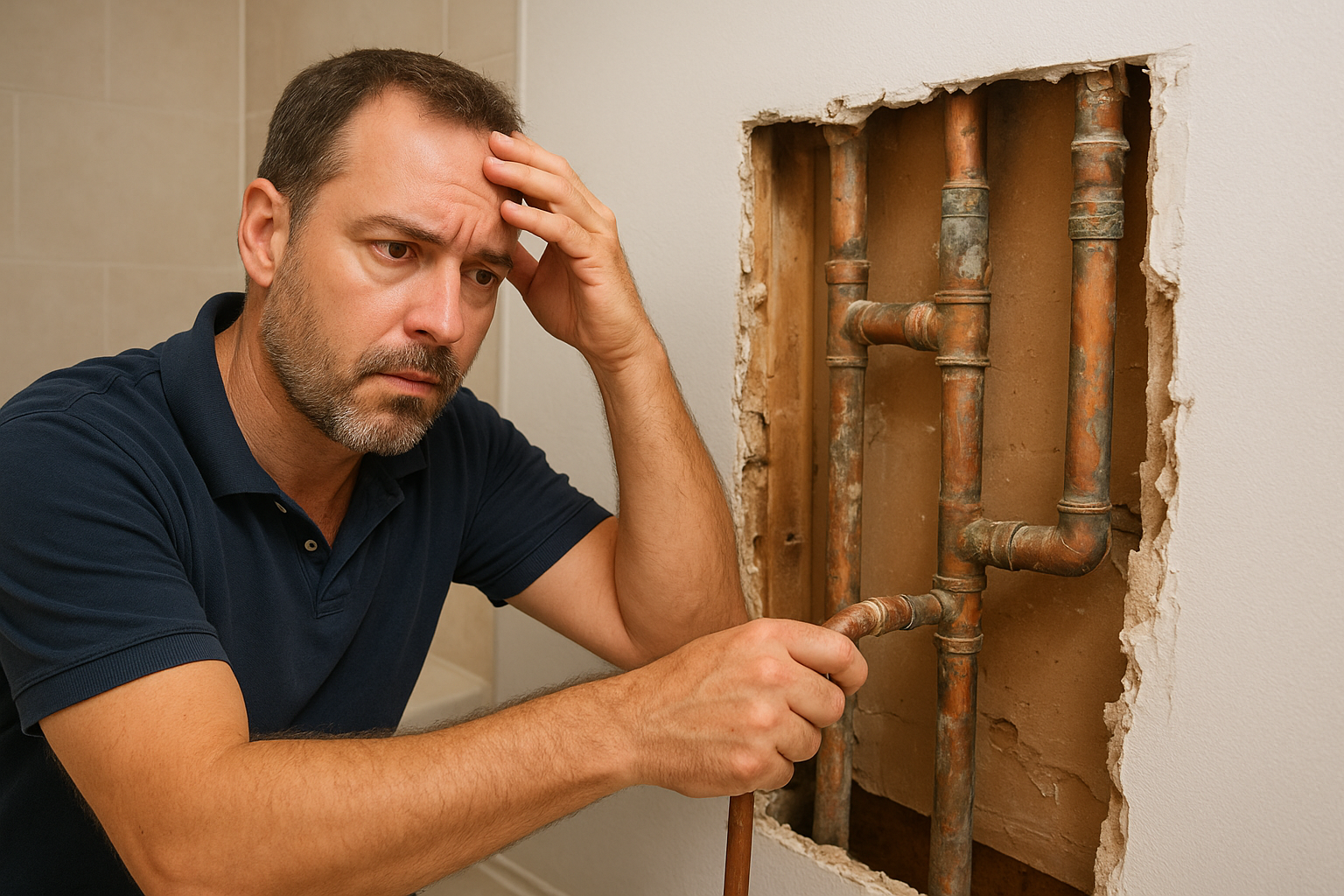
Frequent leaks that require repeated repairs, steadily dropping water pressure, and visible rust or discoloration in the water are the clearest indicators that a Phoenix home needs a whole-house repipe. Homes built before the 1980s in neighborhoods such as Arcadia, Biltmore, and Camelback East commonly contain galvanized steel lines that corrode faster under the city’s hard water and extreme summer heat. Once these pipes begin failing in multiple locations, patching individual sections stops making economic sense and a full replacement becomes the practical solution.
Frequent Leaks Across Multiple Fixtures
Homeowners in South Mountain and Maryvale often notice small pinhole leaks appearing in walls or ceilings within a short period. These leaks typically trace back to interior corrosion that has thinned the pipe walls beyond repair. When leaks occur in both upstairs bathrooms and the kitchen within the same year, the underlying pipe network has usually deteriorated throughout the house. Continuing to address each leak separately leads to repeated drywall cuts and higher cumulative costs compared with a single coordinated repipe project.
Declining Water Pressure and Flow
Reduced pressure at multiple fixtures, especially noticeable during peak morning or evening use, points to internal buildup inside older galvanized lines. In Ahwatukee homes near South Mountain, residents report that showers lose force while the kitchen sink still flows normally at first, then the problem spreads. This uneven decline happens because rust and mineral scale narrow the pipe diameter over time. A whole-house repipe with modern copper or PEX restores consistent volume without the restrictions caused by decades of corrosion.
Discolored Water and Metallic Taste
Brown or reddish water that clears after a few minutes usually indicates rust flaking from galvanized pipes. The effect appears more often after the home has sat unused overnight or during the hottest months when thermal expansion loosens scale. Residents near Papago Park and the Desert Botanical Garden frequently mention a metallic taste that affects coffee and ice. Persistent discoloration that returns quickly after flushing signals that the pipe interior has reached a point where cleaning or flushing no longer helps.
Connection to Phoenix Hard Water and Slab Leaks
Phoenix hard water accelerates corrosion inside galvanized lines, shortening their functional life compared with softer-water regions. When leaks develop under slabs, the resulting moisture can also damage foundations in neighborhoods such as Camelback East. Homeowners who have already dealt with one slab leak often find additional leaks within a few years. Exploring slab leak repair options alongside leak detection helps confirm whether isolated fixes will suffice or whether the entire system requires replacement. The article How to Spot a Slab Leak Before It Damages Your Phoenix Home outlines early warning signs that frequently precede a full repipe decision.
When to Schedule a Whole-House Repipe
Once three or more of the signs above appear within a two-year span, most Phoenix plumbers recommend moving forward with a repipe rather than continued piecemeal repairs. The process typically takes three to five days depending on home size and access, after which new lines deliver improved pressure and eliminate the source of ongoing leaks. Linking the work to Whole-House Repipe services ensures the project addresses both supply and distribution lines in a single coordinated effort.