2026-08-29 · Ray Callahan
Gas Line Safety: What Phoenix Homeowners Should Know
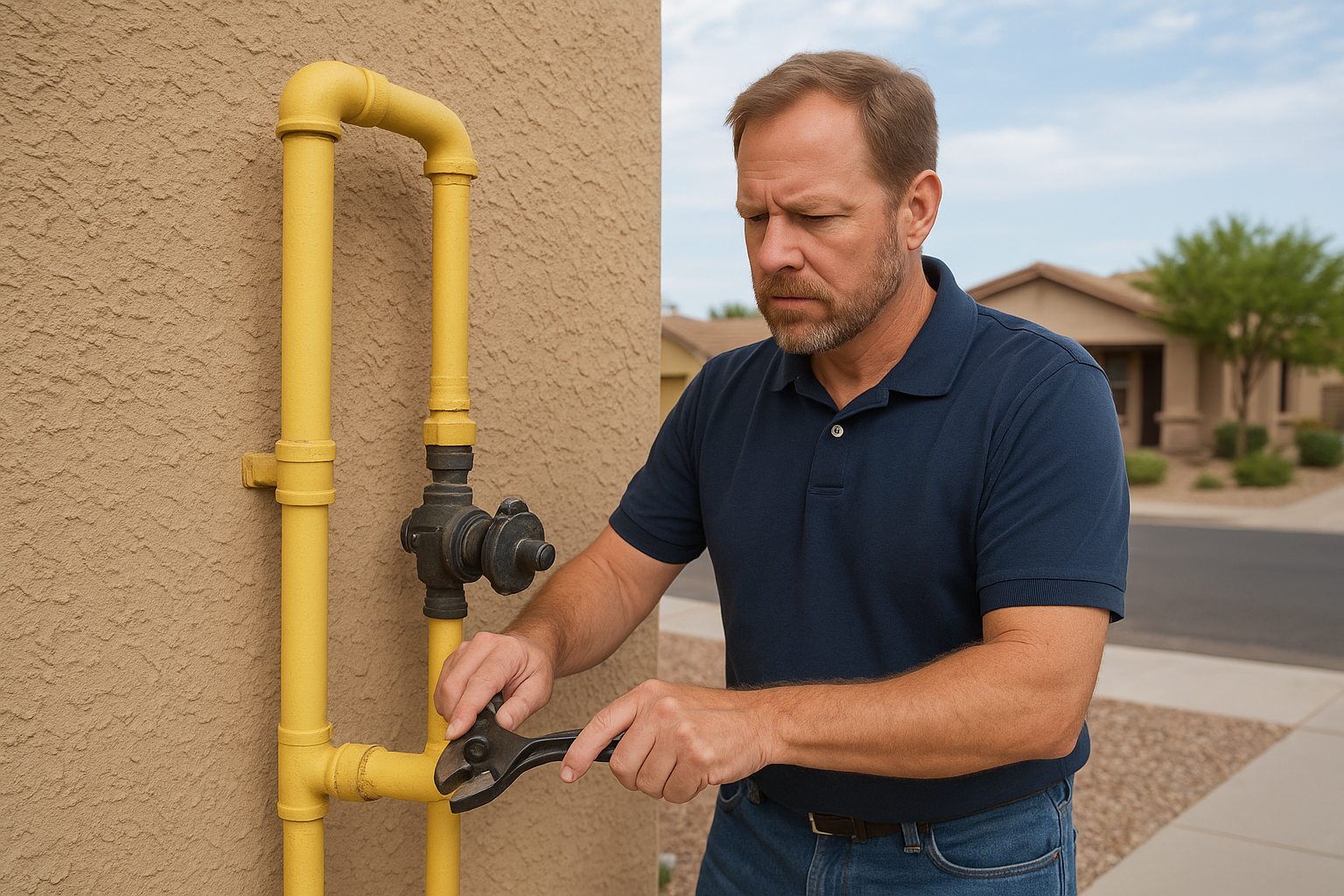
Phoenix homeowners face unique gas line challenges from the hot desert climate that causes repeated expansion and contraction in metal pipes. Regular awareness of these conditions helps prevent leaks near areas like Arcadia and Biltmore. Checking lines every 8–12 years reduces risks in older homes around Camelback Mountain and Papago Park.
How Phoenix Heat Affects Gas Lines
The extreme summer heat in Phoenix pushes outdoor temperatures above 110°F for weeks, which expands and stresses buried gas lines over time. Homes in South Mountain and Maryvale often see accelerated wear on older steel pipes because the ground retains heat longer. This thermal cycling can loosen joints and create micro-fractures that allow gas to escape slowly. Homeowners should note that lines installed before 1990 are more susceptible in neighborhoods such as Camelback East. Monitoring for pressure drops during the hottest months provides an early indicator of stress. Professional assessment becomes essential once lines show any sign of fatigue from decades of desert exposure.
Common Signs of Gas Line Problems
A faint sulfur or rotten-egg odor near appliances is the most immediate alert for Phoenix residents. Hissing sounds around meters or outdoor connections, especially after extreme heat days, point to possible leaks in lines serving homes in Ahwatukee. Dead vegetation patches in otherwise healthy yards can indicate underground seepage near the Phoenix Zoo or Desert Botanical Garden areas. Yellow or blue flames on gas appliances that suddenly turn orange also signal incomplete combustion from line issues. Homeowners should never ignore persistent headaches or dizziness indoors, as these can stem from low-level gas exposure. Tracking these symptoms against recent temperature spikes helps prioritize when to investigate further.
Safe Homeowner Practices
Keep the area around gas meters and outdoor shut-off valves clear of debris and landscaping growth common in Phoenix yards. Test the main shut-off valve twice a year by turning it fully off and on to ensure smooth operation during emergencies. Avoid planting deep-rooted trees within 10 feet of known gas line routes to prevent root interference in the hard desert soil. Store flammable materials at least 5 feet from any gas appliance connections inside the home. Document the location of shut-off valves with photos for quick reference by family members. These steps complement professional evaluations rather than replace them.
When Professional Help Is Required
Contact a plumber immediately if any odor or pressure issue appears, especially during summer heat waves when demand on lines increases. Gas line repair services address leaks and damaged sections using methods suited to Phoenix soil conditions. For after-hours concerns, emergency plumbing teams respond to active leaks that threaten homes in Central City or Midtown Phoenix. Technicians use specialized detection equipment to locate issues without unnecessary excavation. Homeowners benefit from scheduling inspections before peak summer to catch problems early. This approach keeps families safe while respecting the demands of desert living.