2026-08-29 · Ray Callahan
Leak Detection Methods That Save Phoenix Homeowners Money
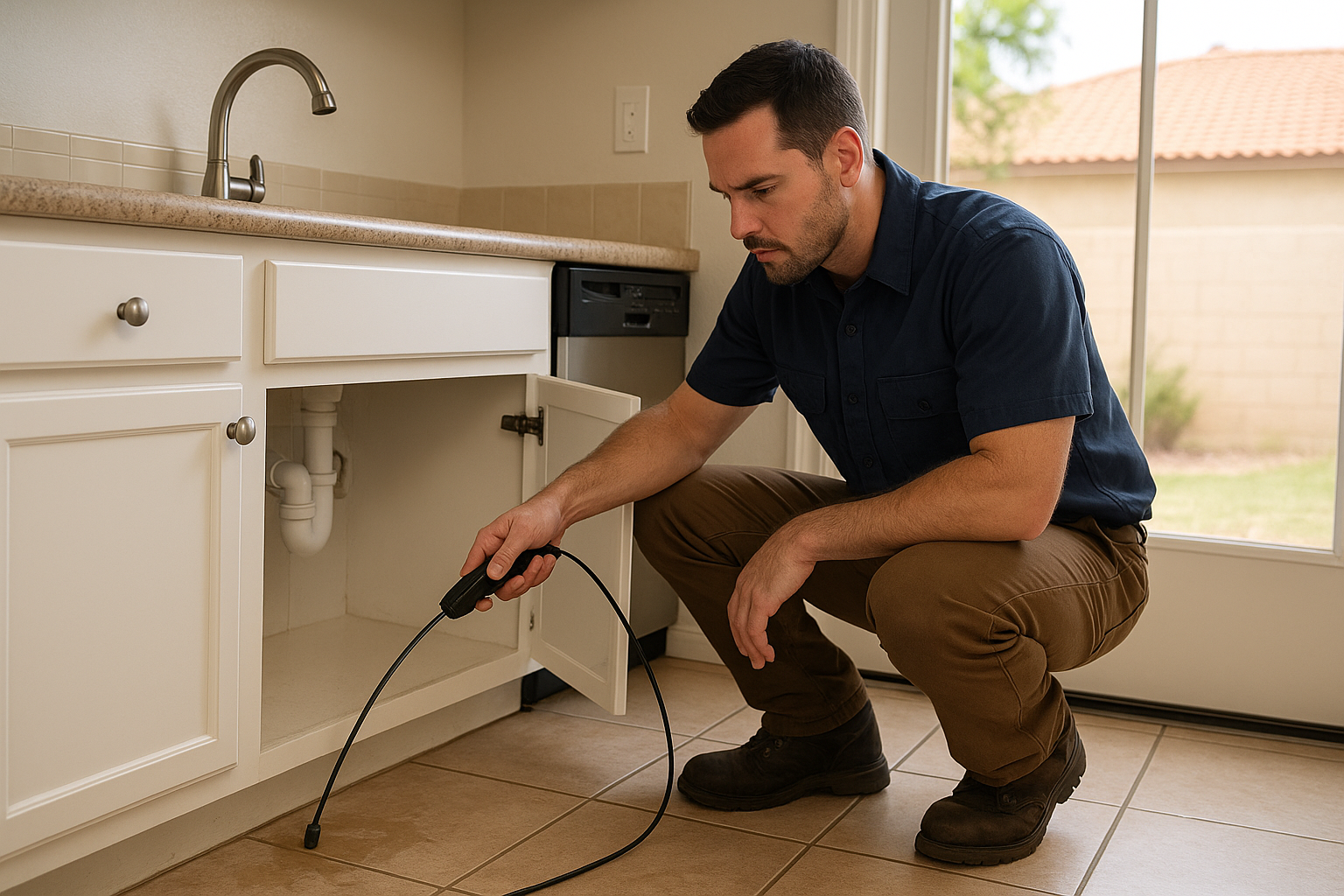
Professional leak detection in Phoenix stops monthly water bills from rising $150–$400 by locating hidden drips before they erode soil around foundations or damage drywall in homes throughout Arcadia, Biltmore and South Mountain. The city’s hot desert climate drives repeated pipe expansion and contraction, especially on older galvanized lines near Camelback Mountain and Papago Park, so early identification through non-invasive tools keeps repairs focused and affordable rather than turning into full repipes or slab work.
Why Leak Detection Matters in Phoenix’s Climate
Phoenix summers push daytime temperatures above 110°F, which stresses copper and PVC joints through constant thermal cycling and increases leak frequency in neighborhoods such as Maryvale and Ahwatukee. Homeowners who ignore slow leaks often see usage jump 20–30% on utility statements within two months, while undetected moisture under slabs near the Phoenix Zoo or Desert Botanical Garden can lead to $3,000–$8,000 in foundation repairs. Targeted detection identifies the exact source without demolition, preserving landscaping around Chase Field and reducing the chance that a minor drip becomes an emergency plumber call after hours.
Acoustic and Listening Methods
Technicians use electronic listening devices that amplify the sound of water escaping pressurized lines, allowing them to pinpoint leaks under concrete in Biltmore and Camelback East without excavation. The process starts with isolating sections of pipe, then moving sensors along suspected routes while noting frequency changes that indicate flow through a breach. In older homes built before 1980, these tools distinguish between normal fixture noise and actual leaks at joints or valves. When acoustic results are inconclusive, crews follow up with pressure monitoring that holds the system at 60–80 psi for 30–60 minutes to confirm loss rates as low as 0.5 gallons per hour.
Thermal Imaging and Video Inspection
Infrared cameras reveal temperature differences caused by evaporating water behind walls or under slabs, which is especially useful during Phoenix’s dry months when surface clues disappear quickly in South Mountain and Maryvale. Operators scan at multiple angles to map cool spots that indicate active seepage, then mark locations for minimal-access repairs. When lines run deeper, waterproof video scopes travel through cleanouts to inspect 4-inch and 6-inch drains for hairline cracks or root intrusion near Papago Park. Combining both methods reduces exploratory cuts by 70–80% compared with traditional digging and directs homeowners to options like Slab Leak Repair only when truly necessary.
Pressure Testing and Moisture Meters
Digital gauges measure static pressure drops over timed intervals, revealing leaks as small as a few ounces per hour that would otherwise go unnoticed until drywall stains appear in Arcadia or Ahwatukee. Technicians also deploy pin-type and pinless moisture meters to scan drywall, tile and stucco for elevated readings above 15% that signal hidden moisture from nearby plumbing. These readings guide decisions on whether a section needs Leak Detection follow-up or can be monitored. When patterns suggest widespread corrosion, the data supports conversations about Signs You Need a Whole-House Repipe in Phoenix before leaks multiply across multiple fixtures.
When to Schedule Detection
Homeowners notice the first savings when they request detection after unexplained spikes on water bills or musty odors near baseboards in Central City or Encanto. Scheduling during milder spring or fall months avoids the peak summer demand that can delay service. A typical visit lasts two to four hours and produces a written map of findings that lets owners compare repair quotes with full context rather than guessing at scope. Consistent monitoring every two to three years in homes over 25 years old prevents the cumulative costs that turn minor drips into $5,000–$12,000 projects.