2026-08-29 · Ray Callahan
When to Repair vs Replace Your Water Heater in Phoenix
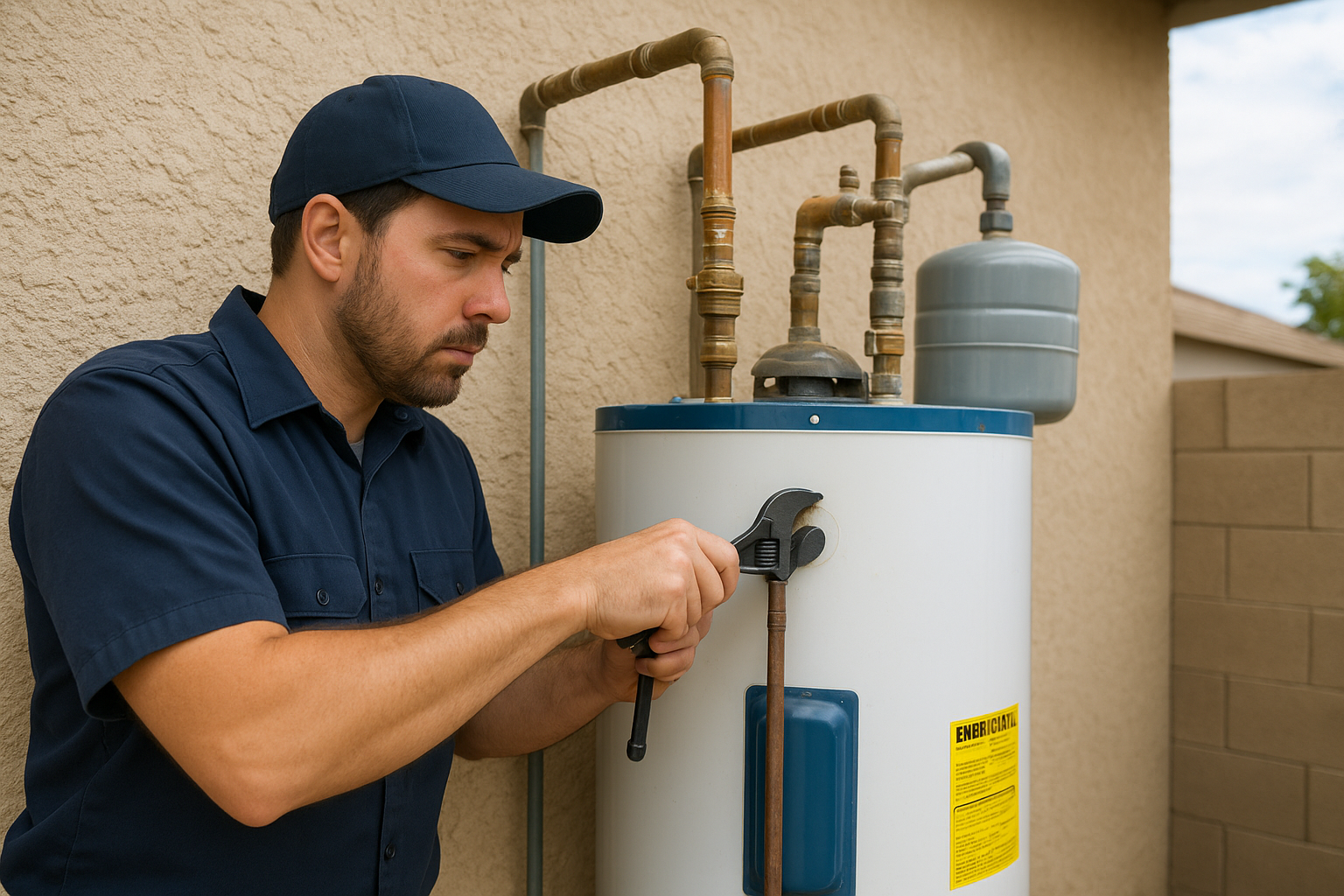
In Phoenix, replace a water heater once it passes 10 years or develops leaks, rust, or inconsistent hot water, while repair makes sense for units under 8 years with isolated issues like a faulty heating element or minor valve problems.
Age and Lifespan in Phoenix Conditions
Phoenix's hot desert climate with extreme summer heat shortens water heater life compared to milder regions. Most standard tank units last 8–12 years here because constant high temperatures increase sediment buildup and corrosion on the tank walls. Homeowners in areas like Arcadia and Biltmore often see units fail closer to the 8-year mark when daily water use stays high. Track the installation date on the unit label. If the heater is approaching or beyond 10 years, replacement usually costs less over time than repeated repairs. A 40-gallon or 50-gallon tank in a single-family home typically needs attention once it hits that decade mark.
Common Repair Scenarios
Repair fits when the unit is younger than 8 years and the problem stays limited. Examples include a leaking temperature-pressure relief valve, a failed thermostat, or sediment flushing that restores performance. These fixes often run $200–$600 and restore reliable hot water without replacing the entire tank. Technicians can also address anode rod replacement to slow corrosion. In neighborhoods such as Camelback East or Maryvale, where homes may have original builders' units, these targeted repairs extend service life by several years when caught early. Always verify the repair addresses the root cause rather than masking ongoing tank deterioration.
When Replacement Becomes the Better Option
Full replacement is the practical choice once leaks appear at the tank seams, rust shows in hot water, or recovery time lengthens noticeably. A new standard tank unit runs $1,200–$2,800 installed, while upgrading to a tankless water heater adds efficiency in high-use households. Replacement also makes sense after multiple repairs within two years or when the unit no longer meets household demand. Water Heater Installation teams evaluate venting, gas line sizing, and space constraints before recommending a 50-gallon or 80-gallon model. Homes near South Mountain or Ahwatukee benefit from right-sized units that handle peak summer demand without short cycling.
Cost Factors and Decision Checklist
Compare repair costs against replacement by factoring remaining expected life. A $400–$800 repair on a 9-year-old unit rarely pays off when a new heater offers 10–12 more years of service. Check for these signs during inspection: visible corrosion at fittings, water pooling at the base, or temperature fluctuations exceeding 10 degrees. Water Heater Repair visits include a full diagnostic that lists parts needed and projected costs. Factor in the extreme heat's effect on efficiency—older units lose recovery speed faster in Phoenix summers. Document age, recent service history, and current symptoms before deciding.
Practical Next Steps for Phoenix Homeowners
Schedule an inspection when hot water runs out faster than usual or discolored water appears. Technicians assess tank condition on-site and provide clear repair-versus-replace guidance based on the specific model and usage. Regular flushing every 6–12 months removes sediment that builds faster in desert water supplies. This simple step helps units reach the upper end of the 8–12 year range. Keep records of installation and service dates to support accurate decisions when issues arise.